Why toy brands need a series before the product launch
A child rarely asks for a toy. A child asks for a character. In 2026, the toys that sell are the ones whose characters children have already met on a screen, before they ever see the box.
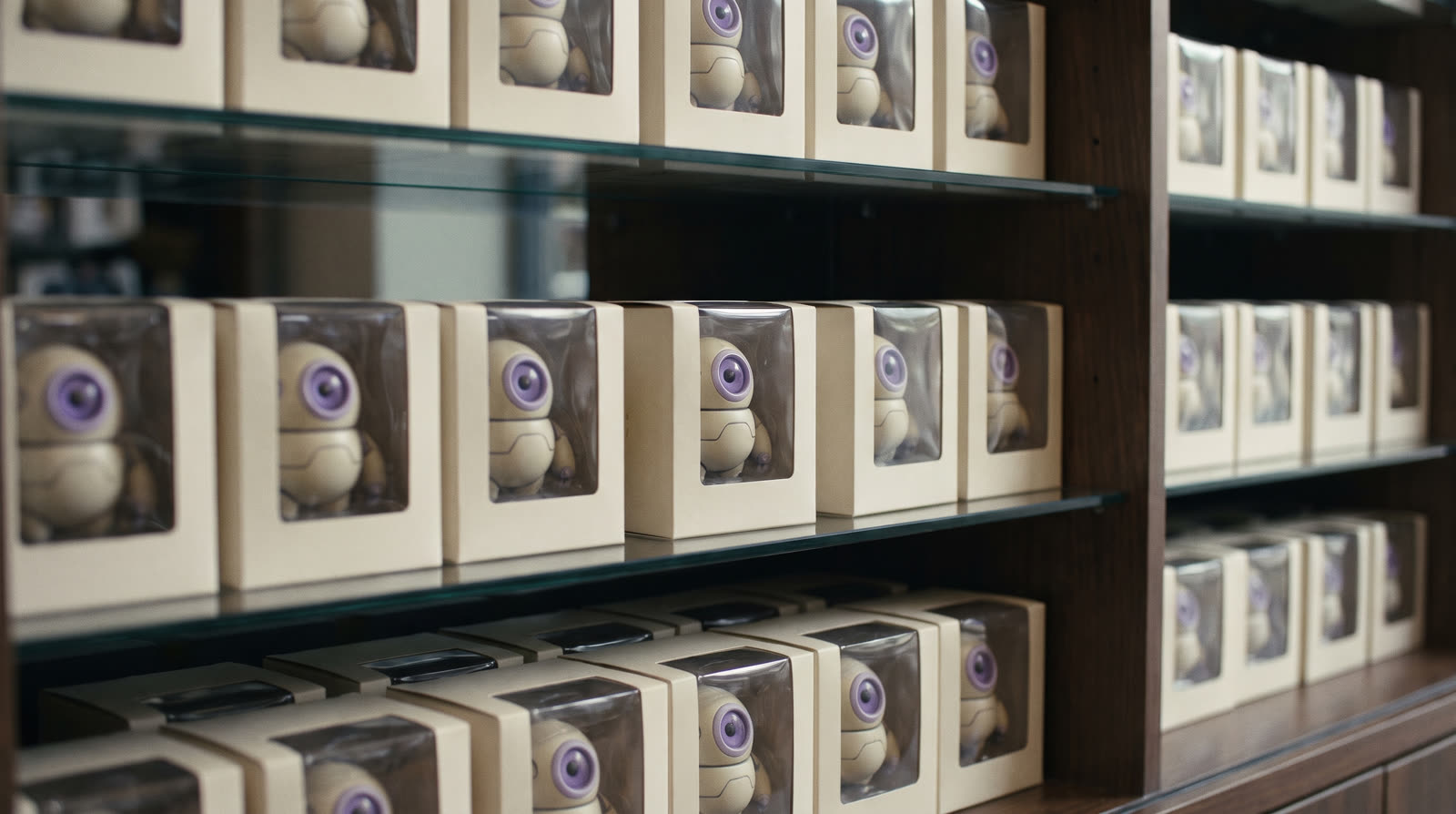
The short answer. A toy brand needs a series before the product launch because familiarity drives demand. A short animated series published 9 to 12 months before launch builds that familiarity, shows which characters children prefer, and gives retail a story to sell. In 2026, that series no longer needs a broadcaster or a broadcast budget.
Why does a screen story sell toys?
A screen story sells toys because children want to play with characters they already care about. The largest toy franchises of the last forty years followed the same order: the episode first, the product second. That order has not changed in 2026. The screen has.
In the United Kingdom, children aged 4 to 15 spend 6 h 37 a week on YouTube and 3 h 20 watching broadcast TV (Ofcom 2024). Meanwhile, according to Ampere Analysis, private broadcasters and platforms commissioned 61% fewer kids animation series worldwide in the first half of 2026 than in the first half of 2022. A toy group can no longer count on a broadcaster. A toy group can publish its own series where children already watch.
Sources: Ofcom, 2024 (United Kingdom). Ampere Analysis, MIPJunior, October 2026 (worldwide).
What does a series do for a toy launch?
A launch series is an animated series published before a product reaches the shelf, and in 2026 a launch series does four jobs that advertising alone cannot do:
- Familiarity: by launch day, the character is a friend, not a stranger on a shelf.
- A test before the factory order: watch time and replays show which characters children prefer.
- A story for retail buyers: a product that arrives with an audience is easier to list.
- Marketing assets: every episode cuts into clips for social media, paid media and in store screens.
For example, if one secondary character drives 40% of replays during the first months, that character can earn its own figure in the first wave.
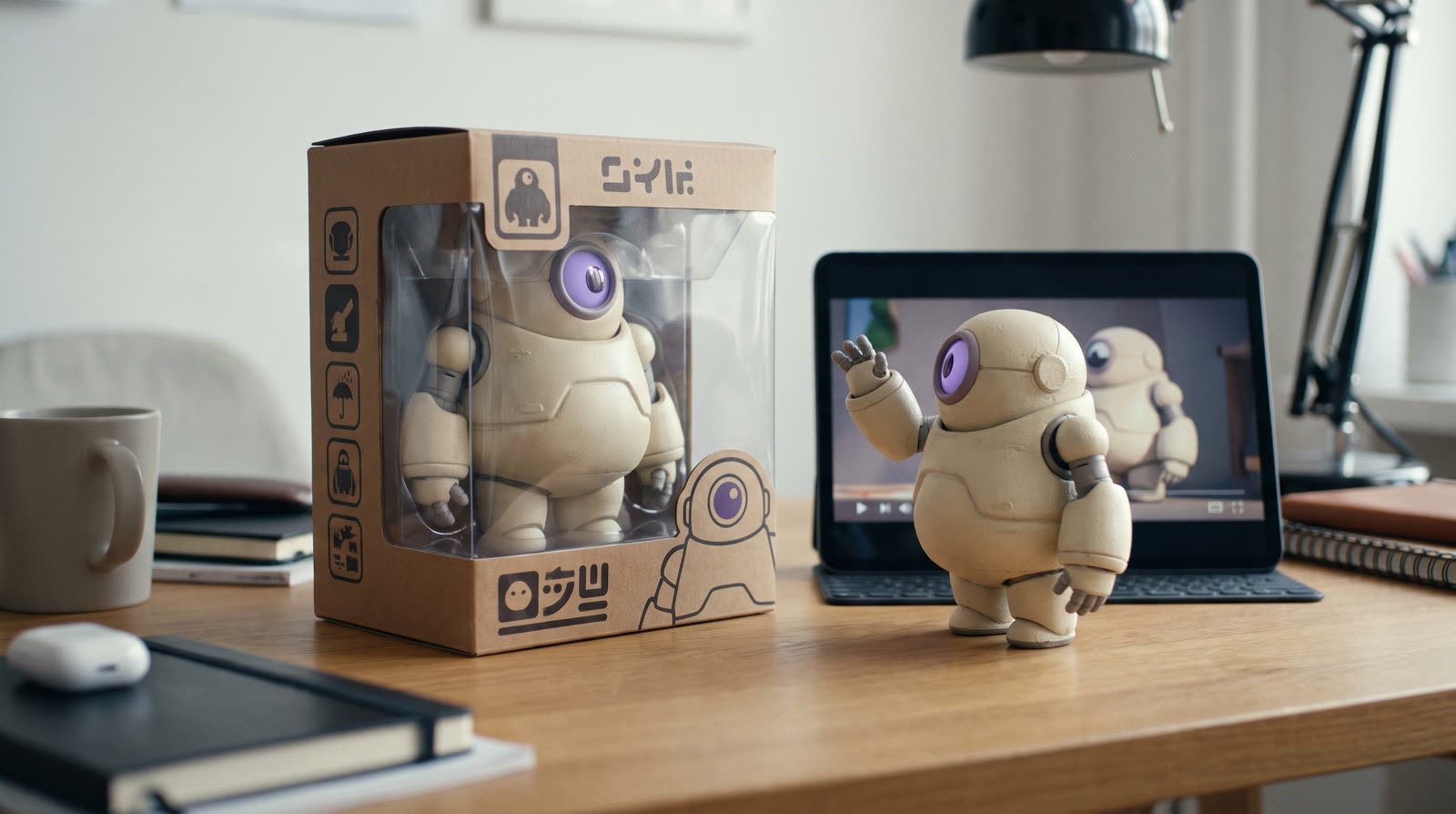
When should a toy brand start the series?
The launch window is the period between the first episode and the product release, and the best launch window in 2026 is 9 to 12 months. That window gives children time to know the characters and gives the brand time to read the data before the range is final.
| Months before launch | What should be on screen |
|---|---|
| 9 to 12 | Characters and world locked, first episodes published |
| 6 to 9 | A fixed rhythm, data on which characters children follow |
| 3 to 6 | Episodes featuring the products of the first wave |
| Launch | Episode and toy arrive together, clips for retail and ads |
What makes a toy based series work?
A toy based series is a story first and a product showcase second, and in 2026 a toy based series works only when children experience it as a story, not as an advertisement. Four rules make the difference. First, the episodes are stories in which the products exist, not 7 minute commercials; children and platforms both reject disguised advertising. Second, characters stay on model, because the figure in the box must match the character on screen exactly. Third, the brand publishes on a fixed rhythm, weekly or monthly, since familiarity comes from frequency. Finally, the toy group keeps the IP, the scripts and every file.
intranet stories produces these series from characters a toy group already owns, with the world locked from episode one and every format delivered natively for YouTube, kids platforms and short video.
Frequently asked questions
Is a YouTube series enough to support a toy launch?
A YouTube series is the core of a modern toy launch in 2026. In the United Kingdom, children aged 4 to 15 spend 6 h 37 a week on YouTube against 3 h 20 on broadcast TV (Ofcom 2024). A regular series builds familiarity with the characters before the product arrives. In practice, every episode also cuts into clips for retail screens, paid social and Shorts, so one production feeds the whole launch plan.
How early should a toy brand start an animated series?
A toy brand should start publishing episodes 9 to 12 months before the product launch. That window makes the characters known before the toys reach the shelf, and gives the brand 6 to 9 months of watch data on which characters children prefer while the product range can still change. For example, a toy line planned for the Christmas 2027 season should have its first episodes published between September 2026 and January 2027.
Do kids platforms accept series made by toy brands?
Kids platforms accept series built around characters and stories, including series produced by toy brands. Platforms and parents reject disguised advertising. In practice, the episodes must be stories in which the products belong to the world, never commercials presented as episodes. For example, a vehicle toy can be how the heroes travel to an adventure, but an episode should never stop to list its features or prices.
Who owns the characters and episodes made with intranet stories?
The toy group owns them. intranet stories delivers the episodes as a production partner, while the IP, the scripts, the character references and every file produced remain the property of the client. In 2026, this matters for licensing: a toy group that owns its series outright can license the episodes to a streaming platform or a broadcaster, or extend the characters into books and games, without sharing rights with the studio that produced the animation.