Building a story world around an existing toy line
Most toy lines already have a cast: a hero, a sidekick, a few vehicles and a playset. What most toy lines lack in 2026 is a reason for those characters to be together, a place they live, and a problem to solve in every episode.
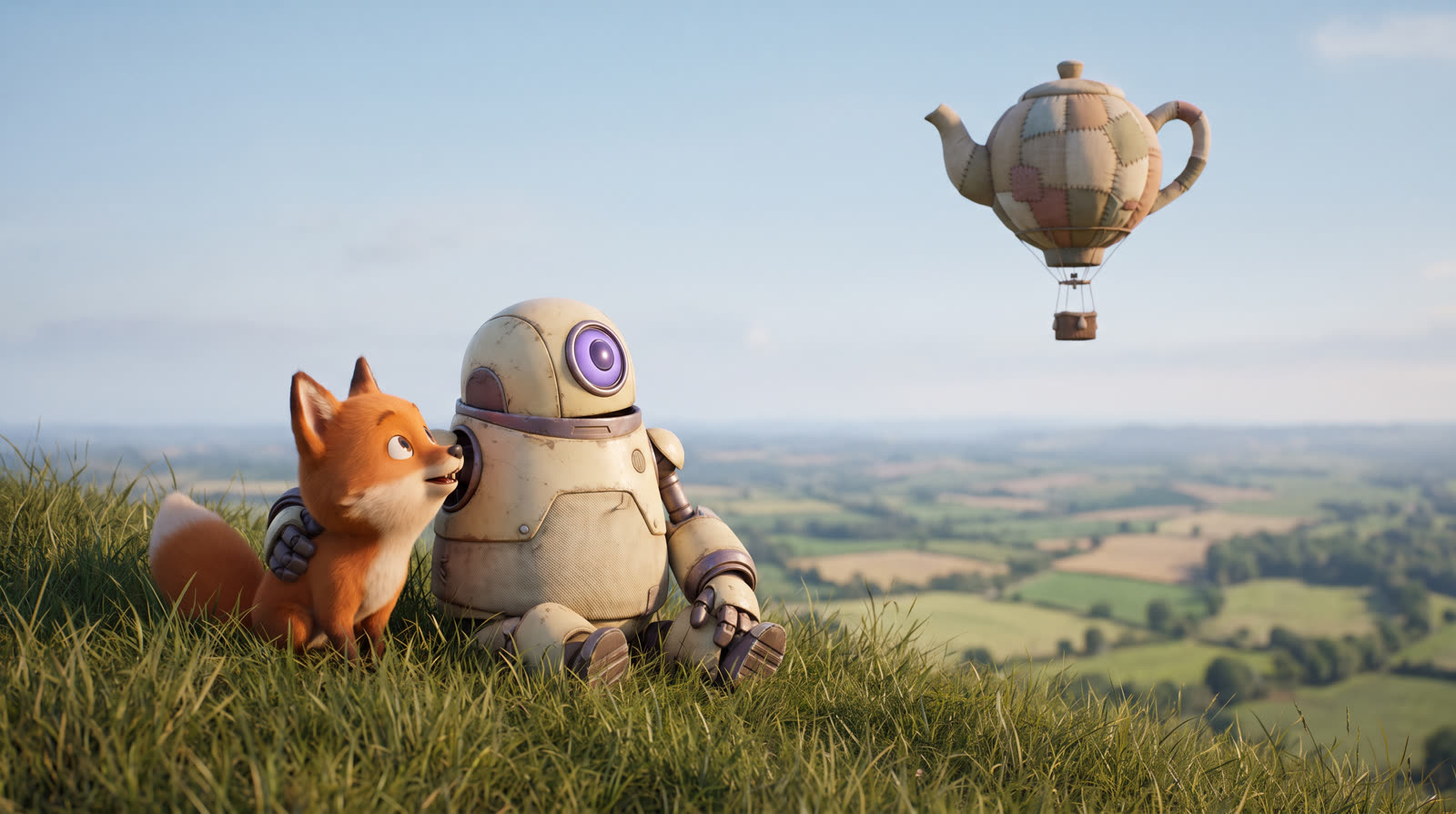
The short answer. A story world is the set of characters, places and rules that lets an animated series run for dozens of episodes. To build one around a toy line, give each product a want and a flaw, turn the playset into a home base with rules, write a repeatable episode structure, and lock all of it in one reference so every episode matches the toys exactly.
What is a story world?
A story world is the fixed frame of an animated series: who the characters are, where they live, and what can and cannot happen there. A toy line has shapes and colours. A story world gives those shapes a reason to act. In 2026, a strong story world is also a production tool, because every episode is produced against the same locked reference.
Toy groups that build the world first gain two things. First, the series can run for 20, 40 or 60 episodes without running out of ideas. Second, new products can join later as new characters instead of interrupting the story. For example, a vehicle released in a second wave becomes the way the heroes reach a new place.
How do you turn products into characters?
Turning a product into a character means answering three questions for each figure in the line. A cast of 4 to 6 characters with clear answers can carry a full first season.
- What does the character want? To win, to help, to be noticed or to get home.
- What gets in the way? Usually a flaw: too fast, too shy, too proud or too curious.
- Who does the character need? Relationships between products are where most stories come from.
In practice, the hero figure becomes the lead, the secondary figures become friends, rivals or family, and the relationships decide which products appear together in an episode.
How does a playset become a place?
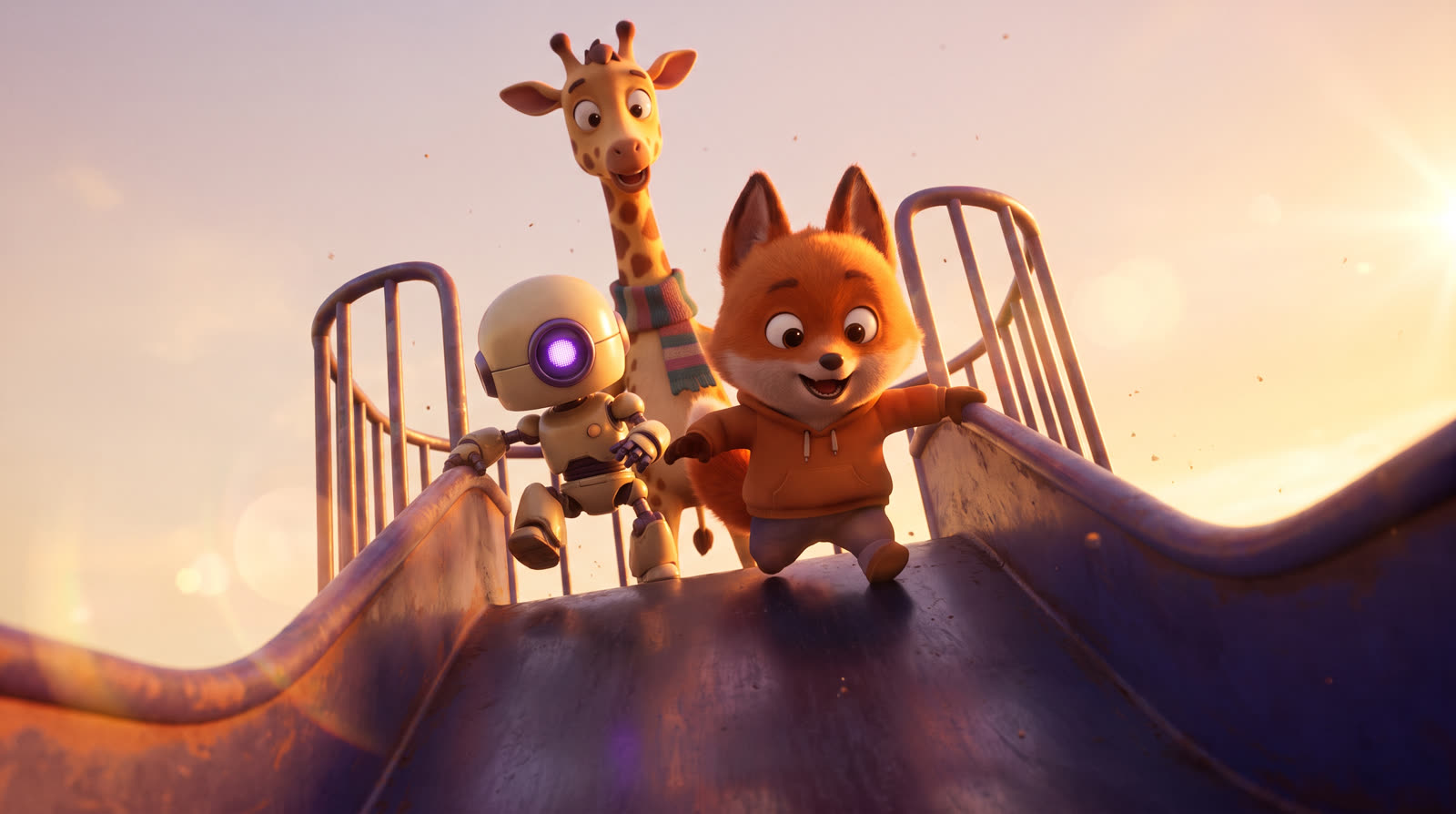
A home base is the place where most episodes start and end, and a playset becomes a place in 2026 when it gets a home base, an edge and rules. The home base is where most episodes start and end. The edge is the place beyond home where adventures happen. The rules define what can fly, what can talk and what never happens in this world.
| Toy line element | Becomes in the series |
|---|---|
| Hero figure | Lead character with a want and a flaw |
| Secondary figures | Friends, rivals and family |
| Playset | Home base where episodes start and end |
| Vehicles and accessories | The way to the edge of the world |
| Packaging art and colours | Palette and visual rules |
| New wave of products | New characters introduced by episode |
Why does a toy series need a repeatable episode structure?
A toy series needs a repeatable episode structure because children love to recognise how an episode works, and because a fixed shape makes production predictable. A common structure has 5 beats: the problem appears, the characters try, the characters fail, a signature moment such as a song or a transformation, and the resolution.
The structure also gives products a natural place in the story. For example, the signature moment can always use the playset, so the toy appears in every episode without the episode becoming an advertisement. In 2026, platforms and parents reject disguised commercials, so products must belong to the world rather than interrupt it.
How do you keep animated characters identical to the toys?
Animated characters stay identical to the toys when the world is locked in one reference before the first episode. The reference shows every character from every angle, with exact proportions, colours, materials and expressions. Every shot of every episode is then produced and checked against it.
For a toy line, this matters twice. A character that drifts on screen weakens the series, and a character that no longer matches the figure in the box stops selling the product. At intranet stories, the world is locked from episode one, the toy group approves the reference, and the IP, the scripts and every file remain the property of the client.
Frequently asked questions
How many characters does a toy based animated series need?
A toy based animated series needs 4 to 6 characters with clear wants and flaws to carry a first season of 10 to 20 episodes. More characters make each episode harder to follow for young children. In practice, new products join later as new characters, introduced one at a time in dedicated episodes, which also gives each new wave of toys a launch moment on screen.
Should every episode of a toy series feature a product?
No. Every episode of a toy series should be a story first. Products appear because they belong to the world, for example the playset as the home base or a vehicle as the way to an adventure. In 2026, kids platforms and parents reject episodes that work as commercials, and an episode that stops to sell a product loses both the audience and the platform.
Who writes the episodes of a toy series made with intranet stories?
The toy group keeps writing control. intranet stories proposes scripts on the agreed episode structure, humans write and validate every episode, and the brand approves each script before production. This split keeps the series consistent with the brand values and the product roadmap, while the production work, which is most of the cost, moves to intranet stories.
Can an existing toy line with no story become a series in 2026?
Yes. Most toy lines start with products and packaging art, not a story. In practice, the story world is built in the first 1 to 2 weeks from the existing range: characters from the figures, places from the playsets, palette from the packaging. The first episodes can then be published on YouTube a few weeks later, months before the next product wave.