How to turn a children's book catalogue into an animated series
A children's book catalogue is a shelf of stories that readers already love. In 2026, publishers can put those stories on screen without a broadcaster, a pilot or a three year development cycle.
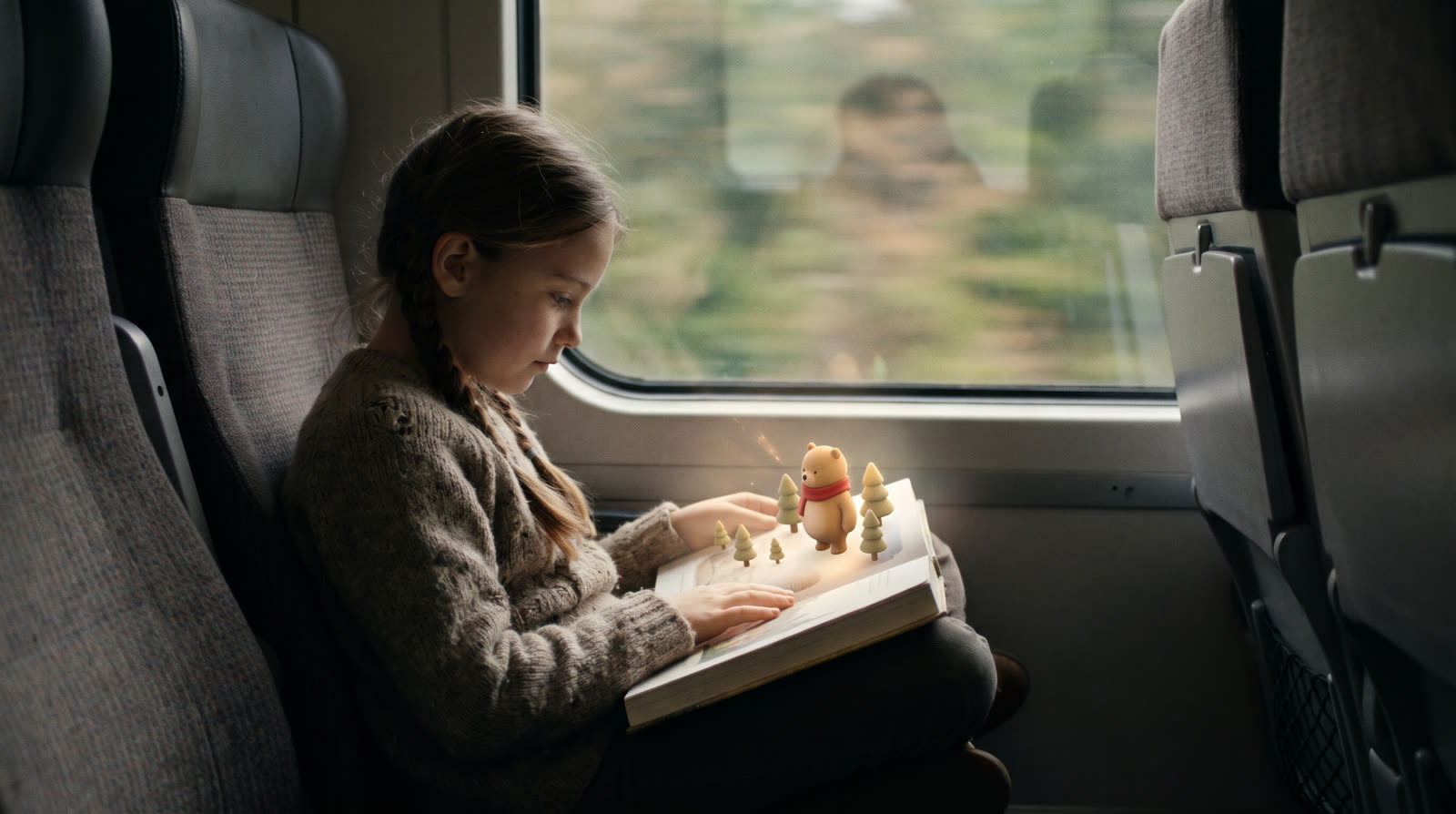
The short answer. Adapting a children's book catalogue is a five step process. First, choose titles that share characters or a setting. Second, lock the look and rules of that world. Third, adapt one story per episode at 7, 11 or 22 minutes. Fourth, publish on a fixed rhythm on YouTube and kids platforms. Finally, let watch data decide which book becomes the next episode.
Why is 2026 the right time to adapt a book catalogue?
The broadcast route to animation has narrowed sharply. According to Ampere Analysis, private broadcasters and streaming platforms commissioned 172 kids animation series worldwide in the first half of 2022. In the first half of 2026, the same buyers commissioned 67, a fall of 61%.
Children did not stop watching. In the United Kingdom, a child aged 4 to 15 spends 6 h 37 a week on YouTube and 3 h 20 watching broadcast TV (Ofcom 2024). A publisher no longer needs a commission to reach that audience. A publisher needs episodes, on a fixed rhythm, on the channels children already use. For example, a catalogue of 20 picture books can become a first season of 20 short episodes.
Sources: Ampere Analysis, MIPJunior, October 2026 (worldwide commissions). Ofcom, 2024 (United Kingdom viewing).
Which books should a publisher adapt first?
The best first titles are books with recurring characters and a shared setting. A standalone picture book holds one story. A series of books around the same hero holds a season. Publishers should score each title on four signals:
- Recurring characters: the same hero, family or group of friends across several books.
- A place with rules: a village, a school, a forest or a ship that repeats from book to book.
- One clear problem per story: a question that gets answered by the last page.
- Proof of affection: sales history, library loans, reprints and reader reviews.
In practice, 10 to 20 titles that pass these four tests are enough for a first season.
What does locking the world mean?
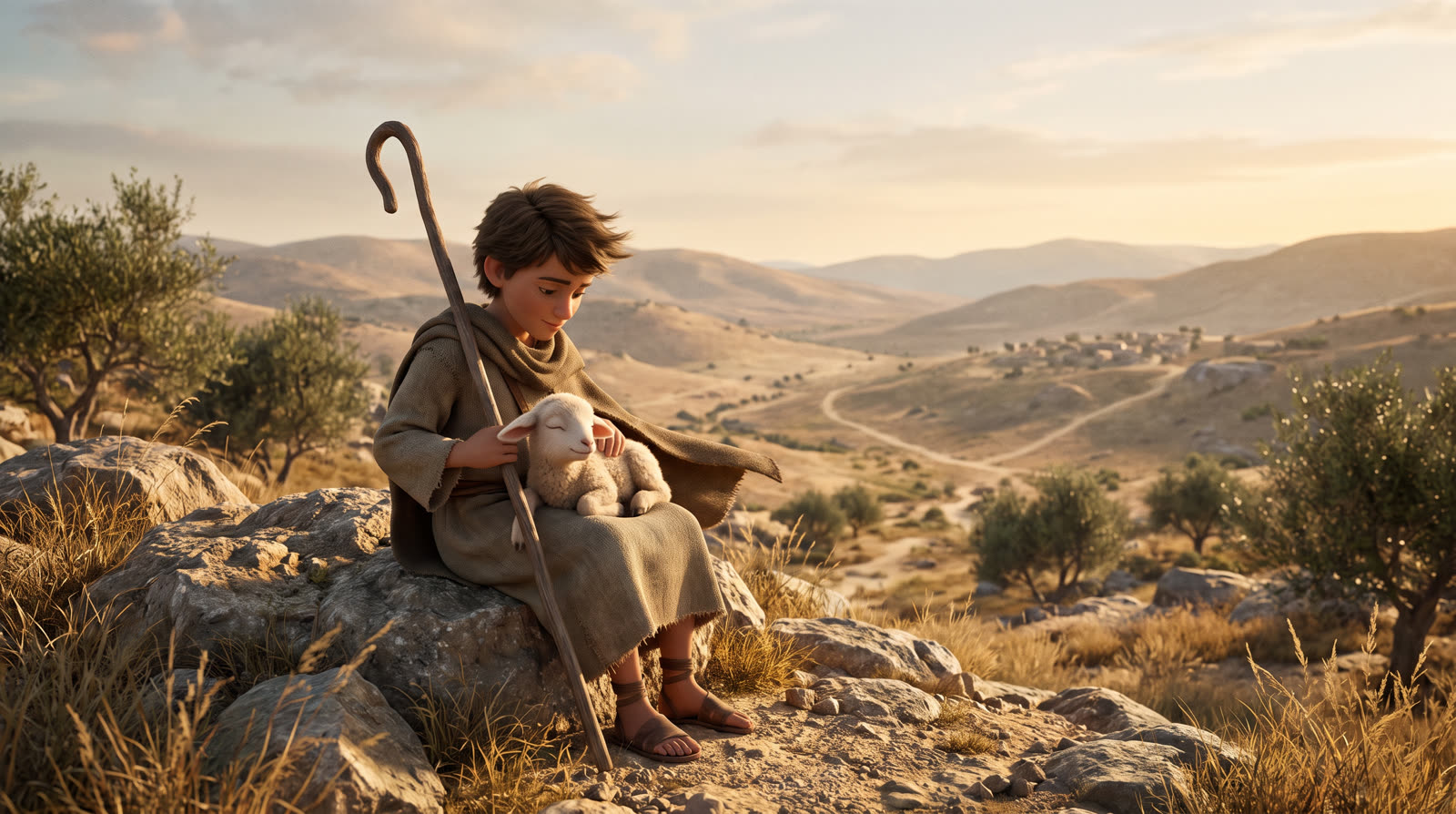
Locking the world is the step that fixes how every character and place looks before any episode is made. The reference covers faces from every angle, proportions, colours, voices, the main locations, the palette and the rules of what can happen. Every episode is then produced against this single reference.
Locking the world matters because children notice inconsistency immediately. A hero who changes face between episode 3 and episode 9 weakens the series and the books behind it. At intranet stories, the world is locked from episode one, so episode 40 looks like episode 1. The original illustrations remain the source, and the publisher approves the reference before production starts.
How long should an episode adapted from a book be?
The right episode length depends on the age of the reader and the length of the book. A picture book usually becomes one episode of 5 to 11 minutes. A chapter book can carry two or three episodes. The table below summarises the common formats in 2026.
| Format | Best for | Typical source |
|---|---|---|
| 3 to 7 minutes | Preschool, ages 2 to 5 | One picture book |
| 11 minutes | Ages 4 to 8, YouTube Kids | One picture book with added scenes |
| 22 minutes | Ages 6 to 12, streaming and TV | A chapter book or two picture books |
| 15 seconds to 3 minutes | Discovery on Shorts, Reels and TikTok | One moment cut from an episode |
Every episode can be delivered natively in each format, so one production feeds long and short channels.
How much does adapting a catalogue cost and how long does it take?
Traditional TV animation studios typically start at around $2,000 per finished minute, and a full season usually takes 12 to 36 months from development to delivery. Digital first buyers such as publishers and YouTube channels typically target 200 to 250 euros per minute, a price traditional pipelines cannot reach.
| Traditional studio | intranet stories | |
|---|---|---|
| First episode on screen | 12 to 36 months | Weeks after the first script |
| Financing | Full season upfront | Paid episode by episode |
| Consistency | Model sheets, manual checks | World locked from episode one |
| Next episode decided by | The original plan | What the audience watched |
How does watch data decide the next book to adapt?
Watch data is the aggregated viewing statistics a platform such as YouTube gives every channel owner. The key signals are average view duration, the second where viewers leave, the moments they replay, and the share of returning viewers. None of these signals require personal data about children.
A publisher who releases one episode at a time can read these signals before choosing the next title. For example, if the episode adapted from book 4 keeps 70% of viewers to the end and book 2 keeps 40%, the next episodes follow the characters of book 4. At intranet stories, every script is written on what the audience watched in the previous episodes, and humans write and validate every script.
Frequently asked questions
Can a single picture book become a full animated series?
A single picture book rarely carries a full animated series on its own. In practice, one picture book holds one episode of 5 to 11 minutes. A series needs a world: recurring characters, a place and rules that repeat. For example, a catalogue of 12 books about the same rabbit and the same village can become a first season of 12 episodes, while 12 unrelated titles cannot. Publishers should therefore start with the titles that share a hero or a setting, and keep standalone books for later specials.
Does the publisher keep the rights to the characters?
Yes. In an intranet stories production, the publisher keeps the IP, the writing control and every file produced, including scripts, character references and finished episodes. intranet stories delivers episodes as a production partner, and the characters and the world remain the property of the catalogue owner. This ownership is written into the contract before the first script in 2026, so a publisher can later license the same series to a streaming platform, a broadcaster or a toy partner without renegotiating with the studio.
How fast can a book catalogue be on screen in 2026?
A traditional animation pipeline takes 12 to 36 months from development to a delivered season, according to typical studio timelines. With intranet stories, the world is locked in the first 1 to 2 weeks and the first episode can be on screen a few weeks after the first script. New episodes then follow on a fixed rhythm. For example, a publisher who signs in January can have the first 4 episodes of a catalogue adaptation published on YouTube before the end of February.
Where should a publisher publish the episodes?
Most publishers start on their own YouTube channel, because the channel keeps the audience relationship and the watch data. In the United Kingdom, children aged 4 to 15 spend 6 h 37 a week on YouTube against 3 h 20 on broadcast TV (Ofcom 2024). YouTube takes 27% of home viewing for children aged 4 to 6 (Ofcom 2025). Episodes can also be offered later to kids platforms, streaming catalogues and broadcasters, with the publisher still owning every file.